Southern Europe has a special talent for turning everyday life into something cinematic—golden-hour promenades, late-night jazz drifting from a hidden courtyard, and centuries of art and architecture that feel effortlessly alive. Staying in a cultural hub here isn’t just about being close to landmarks; it’s about inhabiting the rhythm of the city itself. The best hotels place you at the heart of galleries, theaters, historic cafés, and design districts—while still offering a private, polished retreat when you want to step out of the crowd. Below are prime hotel experiences that feel deeply rooted in place, each with a distinctive theme that elevates the stay beyond “just a room.”
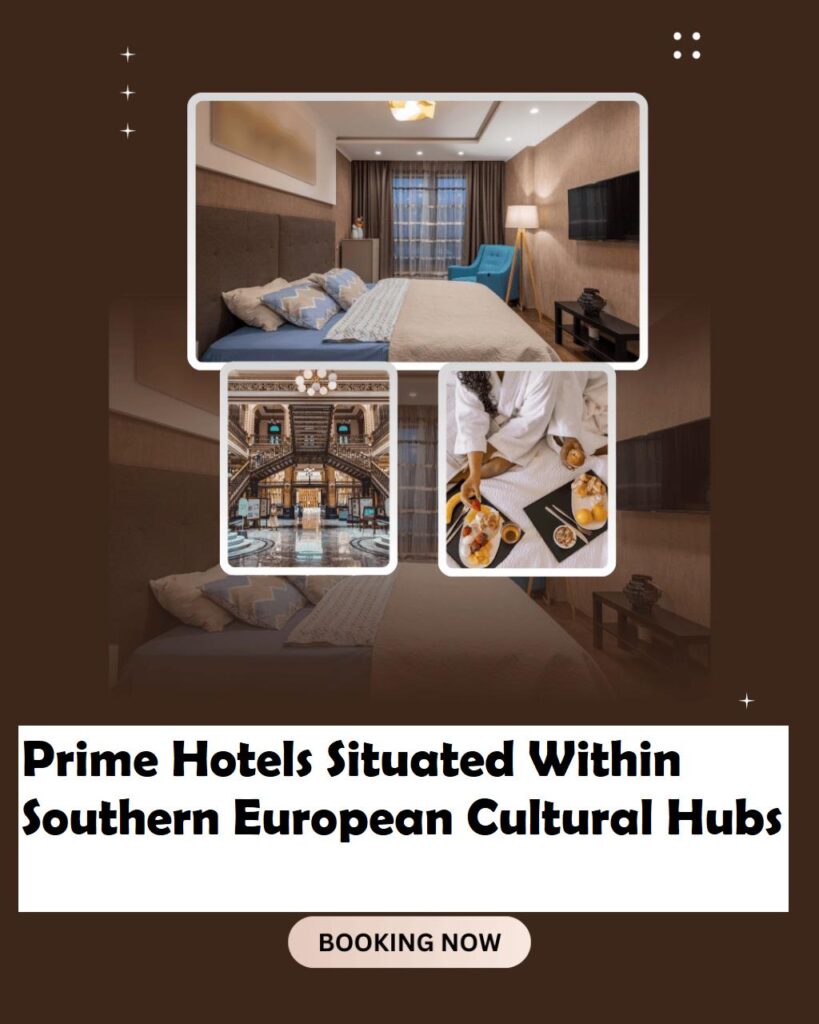
1) The Museum-Neighbor Address (Florence-Inspired Elegance)
In a city where masterpieces hang like everyday décor, the ideal hotel acts as an extension of the museum district—quietly refined, art-forward, and attentive to detail. Expect high ceilings, curated lighting, and interiors that echo Renaissance geometry while staying thoroughly modern. Mornings begin with espresso served like ritual, followed by a short walk to world-class collections before the tour groups arrive. By late afternoon, you return for a linen-smooth pause: a terrace aperitivo, a discreet concierge arranging private viewings, and the satisfying feeling that culture is not an itinerary here—it’s your neighborhood.
2) The Old-World Theater Companion (Barcelona-Style Energy, After-Hours Calm)
In an arts-driven metropolis, the best hotels understand the drama of the city—and the need to soften it when the curtain falls. This kind of property usually lives near performance halls, avant-garde galleries, and buzzing boulevards, yet inside you find hush: soundproofed suites, warm timber textures, and an atmosphere built for deep rest. The signature experience is the transition: a late tapas crawl, a show that ends past midnight, then a return to a suite where ambient lighting and plush bedding reset the senses. It’s cultural immersion with a controlled, luxurious off-switch.
3) The Heritage Palace Revival (Lisbon-Inspired Grandeur With Modern Ease)
Some hotels feel like time machines—ornate staircases, tiled murals, and courtyards designed for slow conversation. In a cultural hub, that heritage becomes more than aesthetic; it becomes access. A well-connected team can unlock private tastings, studio visits, and architecture-focused walks that reveal the city’s layers. The rooms often blend tradition and comfort: carved moldings, modern rainfall showers, and thoughtful lighting for travelers who want romance without inconvenience. In the evening, the building’s history becomes part of the nightlife—cocktails in a restored salon, candlelight glinting off details that have survived generations.
4) The Design District Hideaway (Milan-Style Minimalism and Fashion-Week Poise)
Cultural hubs aren’t only about museums; they’re also about ideas, craft, and contemporary design. This hotel style is sleek and intentional—gallery-white walls, sculptural furniture, and a lobby that feels like a private members’ club. The experience is tailored for the traveler who wants proximity to concept stores, design studios, and creative dining. Service here is quiet confidence: curated recommendations, last-minute reservations, and a sense that your stay is part of a wider aesthetic narrative. You don’t just sleep in the city—you plug into its creative current.
5) The Historic Quarter Sanctuary (Dubrovnik-Inspired Stone, Sea, and Storytelling)
In a cultural hub shaped by walls, fortresses, and history you can touch, the most prized hotels deliver intimacy and perspective. Think stone textures, arched windows, and terraces that frame sunsets like a painting. Days are built around heritage walks, craft markets, and local music—then refined by private comforts: an in-room bath ritual, a sommelier-led pairing, or a late-night dessert served with the calm of an inner courtyard. The theme here is storytelling: every corridor feels like it has a past, and every view reminds you why these cities have inspired travelers for centuries.
Q&A: Planning the Perfect Cultural-Hub Stay
Q: How do I pick the best hotel location inside a cultural hub?
Choose a spot within walking distance of your “must-feel” experiences—museums, theaters, historic cafés, or a design neighborhood. The best stays happen when you can wander without planning, then return quickly for a reset before the next outing.
Q: What makes a hotel truly “prime” for culture lovers?
Look for a concierge team that curates: private guides, gallery introductions, food-and-wine experiences, and flexible planning. A prime cultural-hub hotel doesn’t just point you to famous sights—it gives you smoother access and better context.
Q: Can you recommend a few additional hotels that fit this vibe?
Absolutely—consider icons like Belmond Hotel Caruso (Amalfi Coast) for romantic heritage, Hotel Arts Barcelona (Barcelona) for modern city energy, Four Seasons Hotel Firenze (Florence) for art-filled grandeur, and The Westin Palace, Madrid (Madrid) for classic cultural-city elegance.
Q: What’s the ideal length of stay for a cultural hub?
Three to five nights is the sweet spot: enough time to see major highlights, discover quieter neighborhoods, and still have slow mornings and unhurried evenings—where the luxury really lives.
Conclusion
Prime hotels in Southern European cultural hubs offer more than a beautiful base—they deliver a curated relationship with the city. Whether your ideal retreat is a heritage palace, a design-forward hideaway, or a historic quarter sanctuary, the best properties combine location, atmosphere, and insider access into one seamless experience. You don’t simply visit culture—you live inside it, returning each night to a private world of comfort, discretion, and elegance that makes the entire journey feel unmistakably exclusive.