Southern Europe has long been defined by a rich blend of history, craftsmanship, gastronomy, and a relaxed yet sophisticated approach to living. From sun-washed coastlines to centuries-old city centers, travel in this region is as much about cultural immersion as it is about comfort. Iconic hotels across Southern Europe do more than provide luxury accommodations—they embody local traditions, architectural heritage, and the rhythms of everyday life. Staying in these properties means engaging directly with the soul of the destination, where hospitality becomes a cultural experience rather than a mere service.
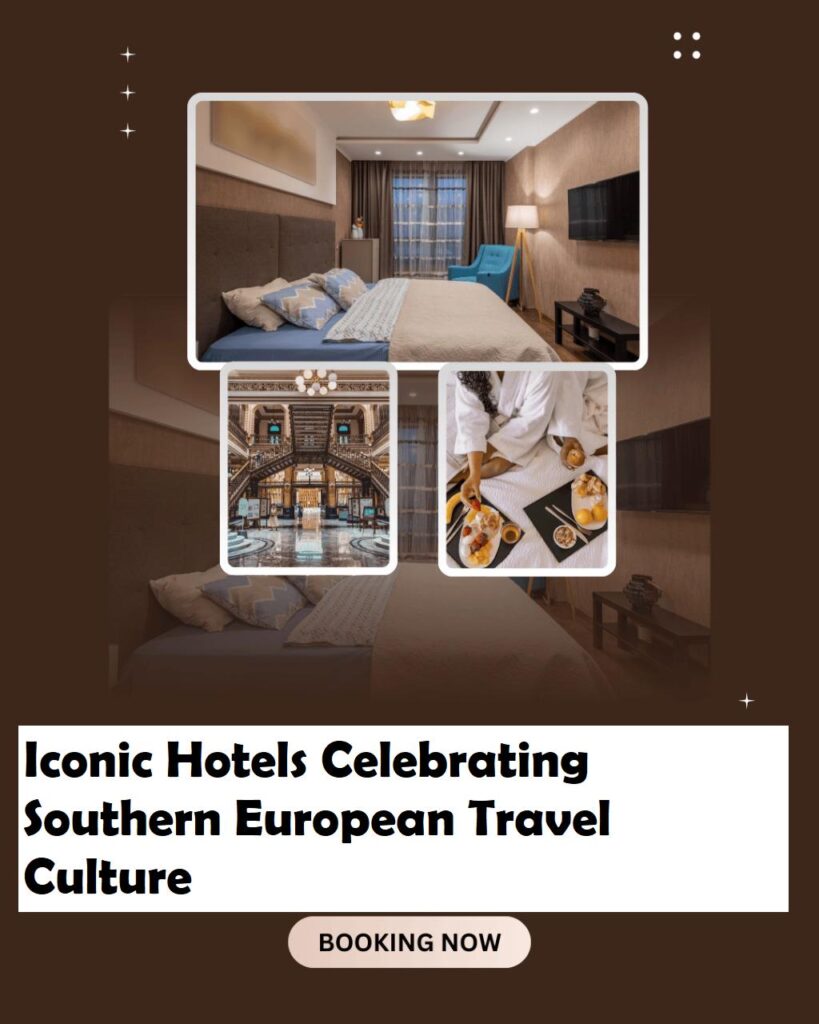
Hotel de Russie – Rome’s Artistic Living Room
Nestled between Piazza del Popolo and the Spanish Steps, Hotel de Russie feels like an extension of Rome’s artistic and intellectual history. Its famed secret garden, once a retreat for poets and painters, remains a serene counterpoint to the city’s energy. Inside, contemporary Italian elegance meets classical proportions, creating a space where art, fashion, and Roman social life converge. Guests experience Rome not as tourists, but as participants in its living culture—lingering over aperitivi, strolling historic streets, and returning to an atmosphere steeped in timeless refinement.
Belmond Hotel Caruso – Amalfi Coast Traditions Reimagined
Perched high above the sea in Ravello, Belmond Hotel Caruso occupies an 11th-century palace transformed into a sanctuary of coastal grandeur. The hotel celebrates Southern Italian culture through its terraces overlooking lemon groves, its cuisine rooted in Campanian traditions, and its effortless embrace of slow living. Infinity pools merge visually with the Mediterranean, while evenings unfold to the sound of distant church bells. Here, the Amalfi Coast’s historic elegance is preserved and elevated, offering guests a deeply rooted sense of place.
Hotel Arts Barcelona – Contemporary Catalan Expression
Rising above Barcelona’s seafront, Hotel Arts Barcelona represents the city’s modern, design-forward spirit. Art installations, innovative architecture, and refined Catalan cuisine reflect a culture that balances creativity with coastal ease. From Michelin-starred dining to panoramic views of the Mediterranean, the hotel connects guests to Barcelona’s dynamic lifestyle—where art, music, and urban energy shape everyday experiences. It is a celebration of Southern Europe’s forward-looking identity without losing its Mediterranean roots.
Hotel Alfonso XIII – Andalusian Grandeur and Ritual
In Seville, Hotel Alfonso XIII stands as a symbol of Andalusia’s ceremonial elegance. Built to host royalty and dignitaries, the hotel blends Moorish arches, tiled courtyards, and lush gardens into a setting rich with cultural symbolism. Staying here means waking to the scent of orange blossoms, hearing flamenco rhythms echo through the city, and experiencing Spanish hospitality that values tradition, ceremony, and warmth. The hotel functions as a cultural landmark as much as a luxury residence.
Hotel Grande Bretagne – Athenian Heritage at the Crossroads of History
Overlooking Syntagma Square and the Acropolis, Hotel Grande Bretagne is deeply intertwined with Greece’s modern and ancient narratives. Its neoclassical interiors, curated artifacts, and storied salons reflect Athens’ role as a crossroads of civilization. Guests are immersed in Greek hospitality that honors history, philosophy, and social gathering. Rooftop dining with views of ancient monuments reinforces the sense that past and present coexist seamlessly within this iconic address.
Q&A: More Hotels Reflecting Southern European Travel Culture
Q: Which hotels in Southern Europe best represent regional identity?
A: Properties like Parador de Granada, located within the Alhambra complex, or Pousada de Lisboa, housed in a historic government building, offer immersive cultural narratives rooted in their surroundings.
Q: Are there island hotels that capture local traditions authentically?
A: Yes. Canaves Oia Suites reflects Cycladic architecture and island rhythms, while La Residencia, A Belmond Hotel celebrates Mallorcan art, landscapes, and village life.
Q: What defines a culturally iconic hotel experience?
A: It is the integration of local architecture, cuisine, social customs, and history into daily guest experiences—allowing travelers to feel part of the destination rather than observers.
Conclusion
Iconic hotels celebrating Southern European travel culture offer far more than refined rooms and scenic views. They serve as cultural gateways, preserving regional identity while delivering exceptional comfort and service. From Rome’s artistic salons to Andalusia’s ceremonial courtyards and the Mediterranean’s coastal retreats, these hotels invite guests into a way of life shaped by history, beauty, and human connection. Choosing such properties means experiencing Southern Europe at its most authentic—where luxury is defined by cultural depth, meaningful moments, and an enduring sense of place.