Southern Europe’s great cities are defined not only by their landmarks, cuisine, and centuries of history, but also by the exceptional hotels that stand gracefully within their urban fabric. From Renaissance palaces transformed into refined retreats to contemporary icons overlooking historic squares, these distinguished hotels enhance cityscapes by blending architecture, culture, and luxury hospitality. Staying in one of these properties is not merely about accommodation—it is about immersing oneself in the rhythm, elegance, and spirit of Southern European city life.
Below are standout hotels that exemplify how luxury hospitality elevates the character of Europe’s most storied cities.

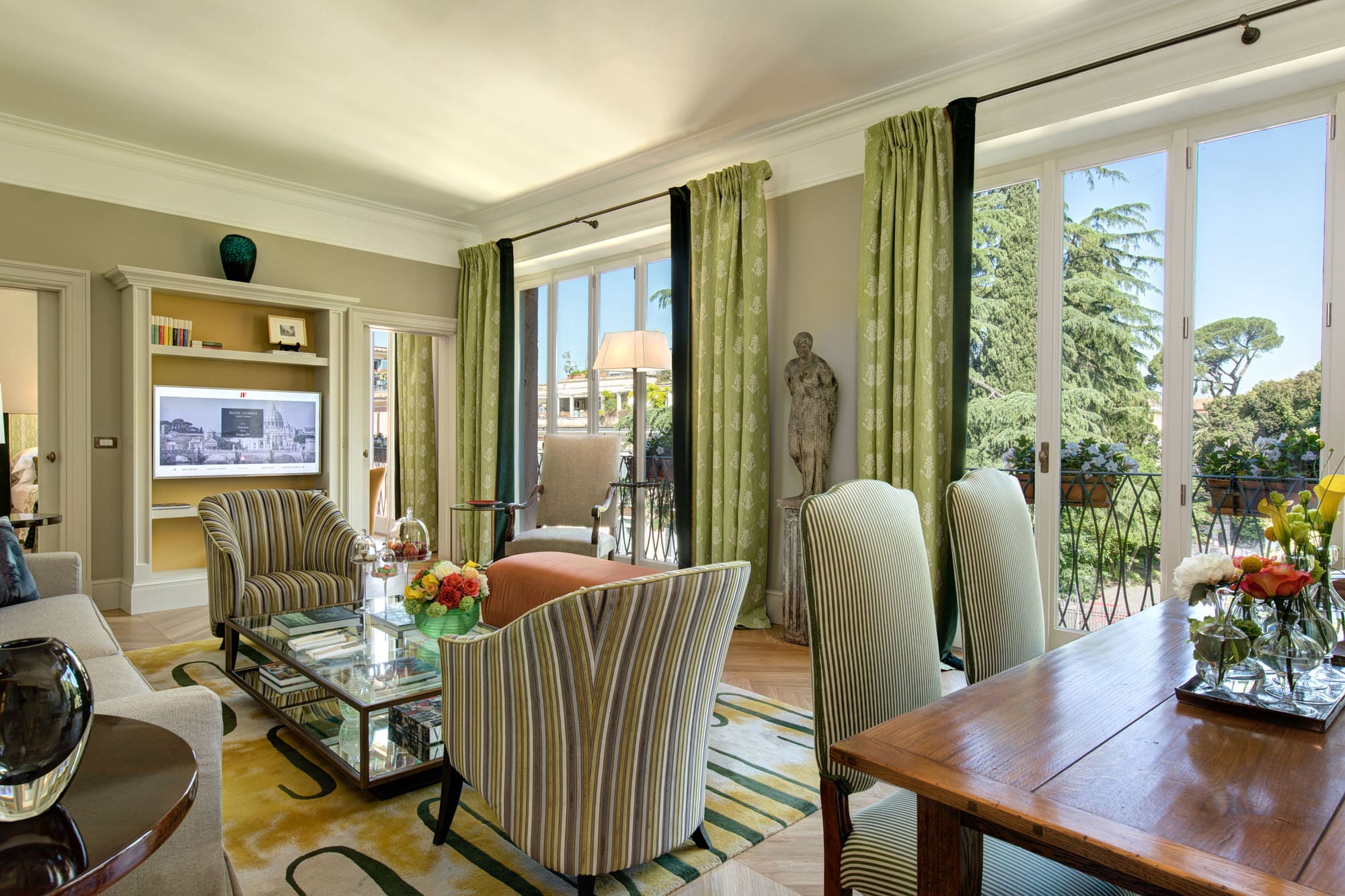
Hotel de Russie — Rome’s Garden Sanctuary in the Eternal City
Tucked between the Spanish Steps and Piazza del Popolo, Hotel de Russie offers a rare sense of tranquility in the heart of Rome. Its famed terraced garden, designed with classical symmetry and lush Mediterranean greenery, feels like a hidden urban oasis. Inside, refined interiors echo Roman grandeur while maintaining a soft, contemporary elegance. Guests experience Rome not as hurried tourists, but as refined residents enjoying discreet luxury amidst ancient streets.

Hotel Arts Barcelona — Modern Prestige on the Mediterranean Edge
Rising above Barcelona’s seafront, Hotel Arts Barcelona defines modern urban luxury. Its sleek glass-and-steel silhouette contrasts beautifully with the city’s historic quarters, symbolizing Barcelona’s creative and cosmopolitan spirit. Rooms offer sweeping views of the Mediterranean and skyline, while curated art pieces and Michelin-starred dining elevate the stay. This hotel enhances the cityscape by embracing bold design while remaining deeply connected to its coastal surroundings.


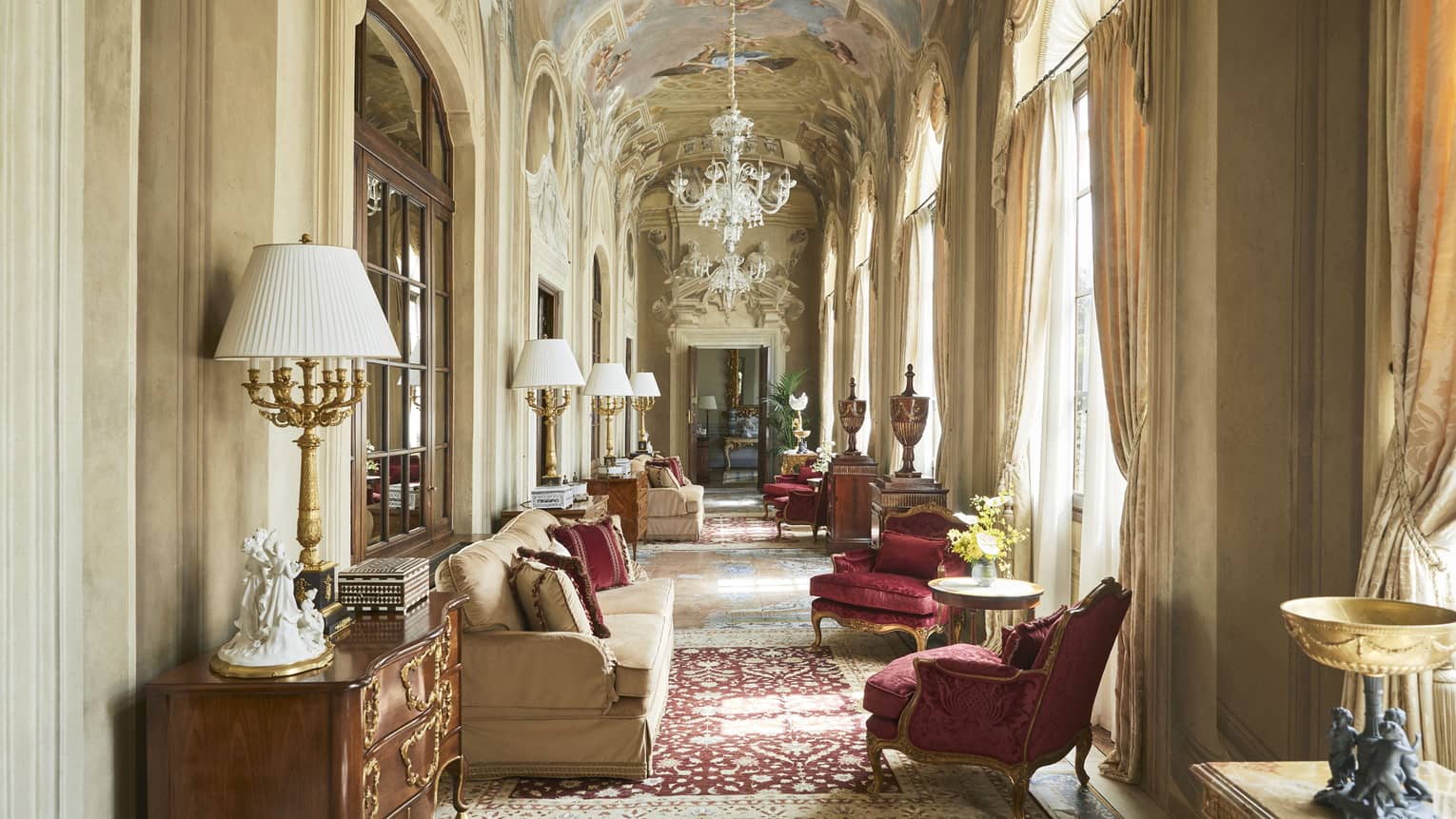
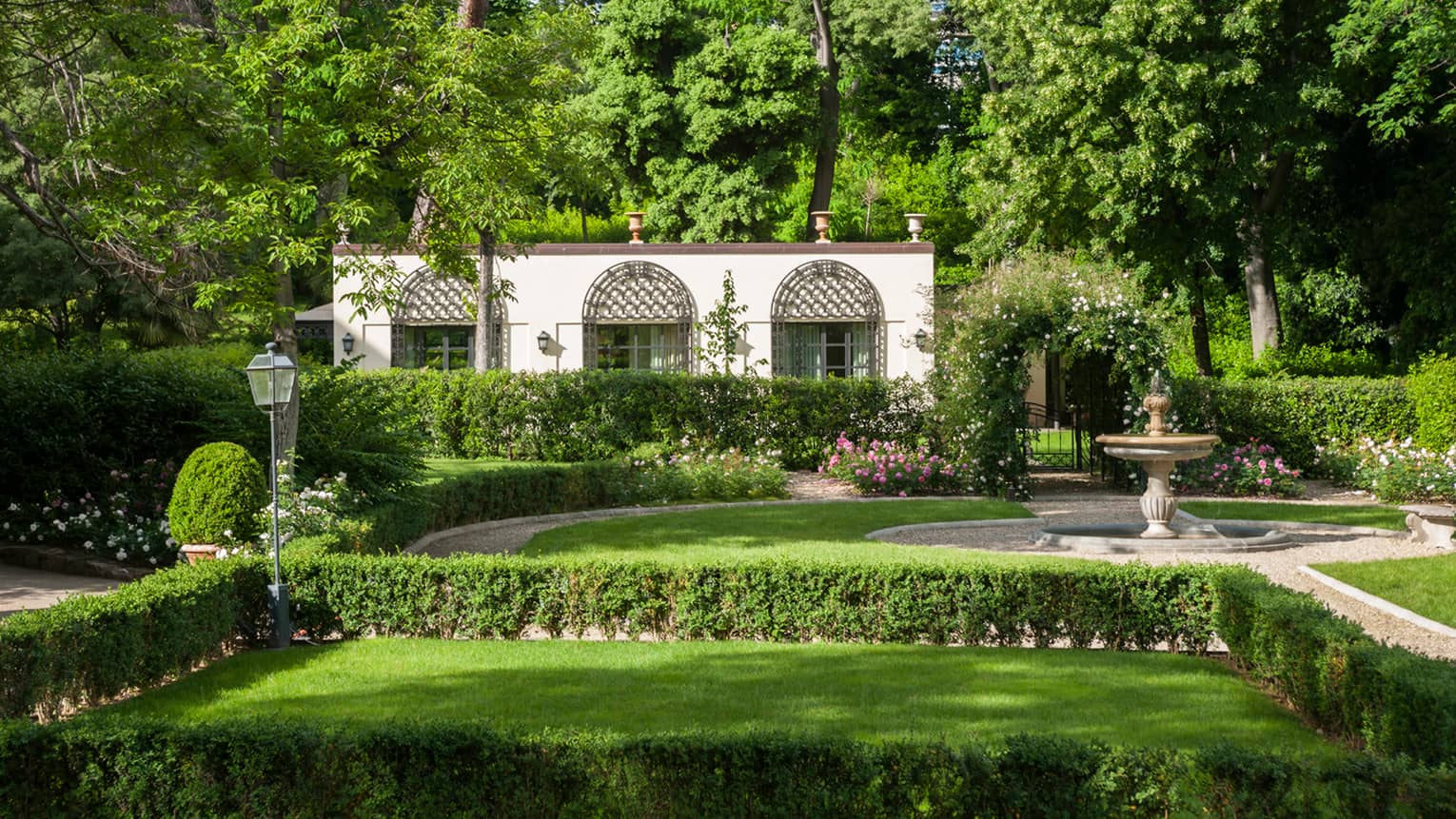
Four Seasons Hotel Firenze — Renaissance Grandeur Reimagined
Set within a former Medici palace, Four Seasons Hotel Firenze seamlessly integrates Renaissance architecture into modern luxury living. Frescoed ceilings, manicured private gardens, and stately corridors reflect Florence’s artistic legacy. Despite its historic roots, the hotel feels vibrant and intimate, offering guests a privileged perspective on the city’s cultural soul. It stands as a living extension of Florence’s heritage, enhancing the city through preservation and refinement.
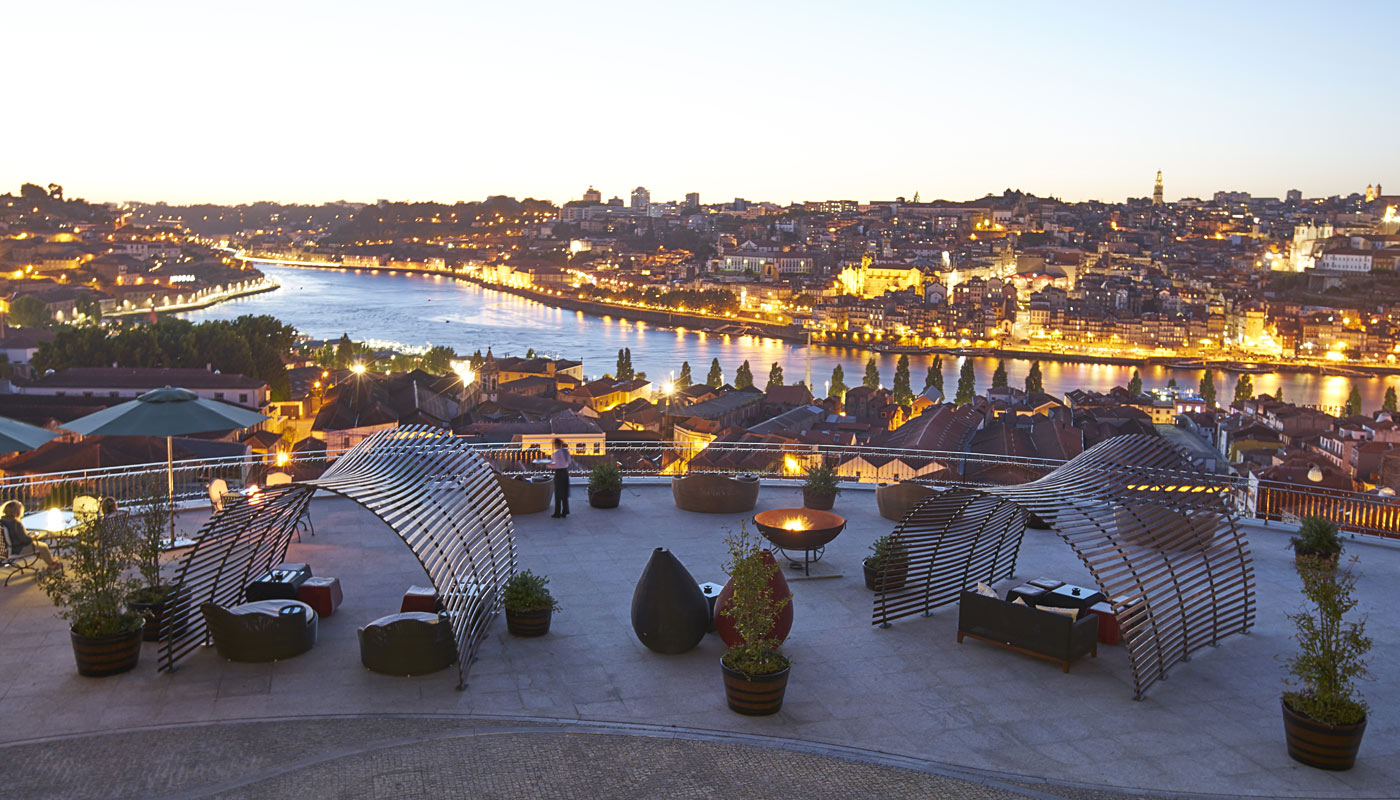
The Yeatman — Wine, Views, and Timeless Sophistication
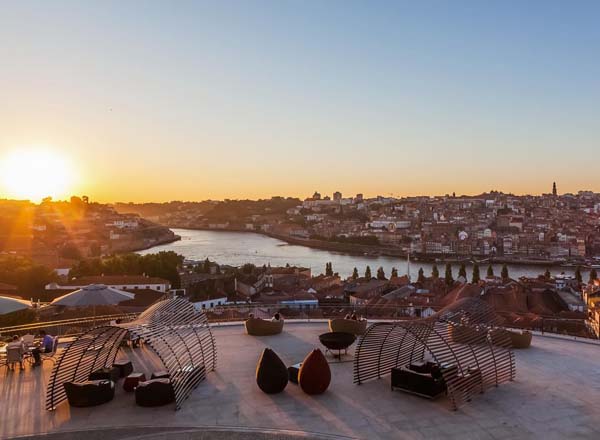
Perched above the Douro River, The Yeatman commands panoramic views of Porto’s historic skyline. While slightly removed from the old town, its presence elevates the city’s visual narrative. Known for its deep connection to Portuguese wine culture, the hotel offers cellar-inspired interiors, tasting experiences, and refined gastronomy. It enhances Porto’s cityscape by celebrating local heritage through contemporary luxury and storytelling.
Hotel Alfonso XIII — Andalusian Opulence at Its Finest
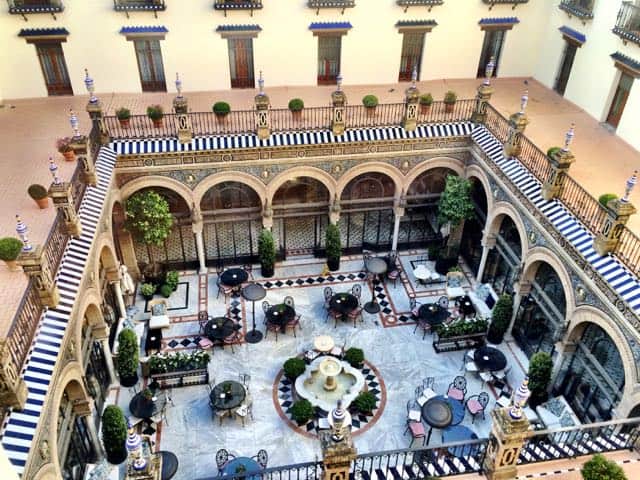
A landmark in Seville, Hotel Alfonso XIII reflects Moorish, Gothic, and Renaissance influences in a single breathtaking structure. Its arches, tiled courtyards, and grand halls feel inseparable from the city itself. Located near the historic center, the hotel offers guests an immersive Andalusian experience—where architecture, tradition, and luxury converge. It does not merely sit within Seville’s cityscape; it defines it.

Q&A: More Distinguished City Hotels to Discover
Q: Which hotels offer luxury stays within historic old towns?
A: Consider Belmond Hotel Cipriani for lagoon-side elegance, Mandarin Oriental Ritz for classical grandeur, or Palais Coburg for aristocratic refinement.
Q: Are there modern hotels that enhance historic city skylines?
A: Yes—W Barcelona introduces bold contemporary design, while ME Milan Il Duca blends fashion-forward aesthetics with urban sophistication.
Q: Which hotels best combine cultural immersion and exclusivity?
A: Properties like Hotel Santa Caterina and Villa Magna offer intimate access to city culture with discreet, high-end service.
Conclusion
Distinguished hotels across Southern Europe do more than offer luxurious accommodations—they actively shape and enhance the cities they inhabit. Through architectural preservation, thoughtful design, and immersive cultural experiences, these hotels become extensions of the cityscape itself. Staying in one of these exceptional properties allows travelers to experience Southern European cities not as spectators, but as privileged participants in a refined, exclusive urban narrative where history, elegance, and modern luxury coexist seamlessly.